Very few personal injury claims go to trial. According to the U.S. Department of Justice, only 3% of cases need to be resolved in court. These exceptions usually involve higher-value claims (e.g. traumatic brain injury, permanent disability) without the type of payout that insurance companies try to avoid.
If you’re now looking at a trial because the insurer refuses to make a fair offer, your personal injury attorney will likely retain expert witnesses. These professionals, which include doctors, accident reconstructionists, economists, and more, can help clarify the other party’s liability as well as the extent of your injuries and their anticipated effect on your future. In this article, we’ll take a look at the different types of expert witnesses, what they do, and how they can help you secure the trial verdict you need.
What Is an Expert Witness?
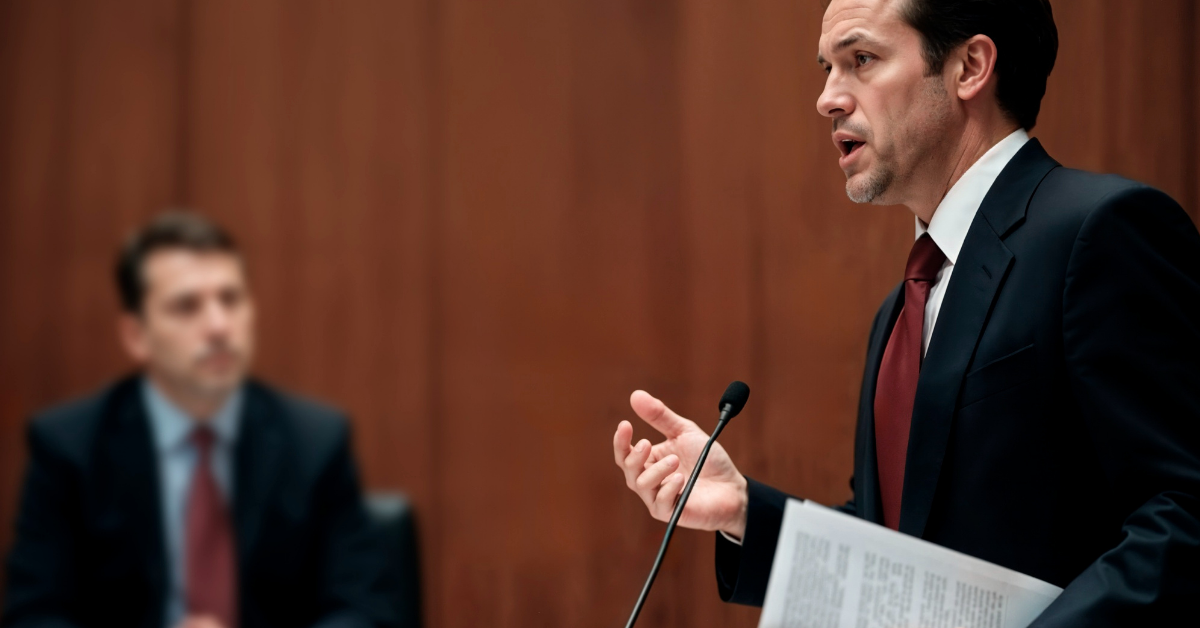
In a personal injury context, an expert witness is someone who testifies in court using their knowledge and experience in a particular field. Their primary role is to clarify technical, medical, or financial evidence for the benefit of the jury. While lay witnesses testify about what they personally saw, heard, or experienced, expert witnesses give professional opinions based on their training and background.
Under Georgia's evidentiary rules, an expert witness must meet three basic requirements before taking the stand:
- Qualification Requirements: The witness must demonstrate genuine expertise in their field. A doctor with 20 years of experience treating spinal injuries qualifies to testify about spinal trauma. A mechanical engineer with a PhD and 15 years of experience analyzing product defects can explain why a defective brake system failed.
- Reliability of Methods and Principles: The expert's opinions must rest on sound methodology. Does this expert use accepted techniques in their field? Are their conclusions based on reliable data? A medical expert can't simply guess about causation; they need to show how they used established medical principles when they made a diagnosis.
- Relevance to the Case: The testimony must actually help the jury understand the evidence. An expert's knowledge has to apply directly to the questions at hand.
Before an expert testifies in front of a jury, the judge normally holds a hearing to evaluate their qualifications and methods. This happens during pretrial motions, where opposing attorneys can challenge an expert's credentials or methodology. Common reasons courts may exclude expert testimony include:
- Insufficient qualifications in the relevant field
- Unreliable or unproven methods
- Opinions that stray beyond the expert's area of knowledge
- Testimony that won't help the jury decide the case
In personal injury cases, expert witnesses are particularly valuable when clarifying medical diagnoses, accident causation, or financial losses. Jurors rarely have the background to interpret MRI scans, analyze skid marks, or project lifetime medical expenses, so expert witnesses fill that gap.
Types of Expert Witnesses Commonly Used in Georgia Personal Injury Trials
Expert witnesses can come from a wide range of professional backgrounds. In most Georgia personal injury trials, you’re more likely to come across the following.
Medical Experts
Medical experts play a central role in most injury cases. Georgia courts recognize two types: treating physicians and retained medical experts.
- Treating physicians are the doctors who actually cared for the injured person. They testify about the injuries they diagnosed and treated, the procedures they performed, and your recovery. Their testimony is important because they have firsthand knowledge of your condition.
- Retained medical experts are doctors hired to review medical records and provide opinions. They can explain the nature of your injuries, how the accident caused them, and what medical care you will need in the future. For example, a retained orthopedic surgeon might testify that a back injury will need additional surgeries over the next decade, while a neurologist might explain how a concussion led to permanent cognitive impairment.
Accident Reconstruction Experts
These witnesses analyze and clarify how accidents happened in order to establish who was at fault. They visit crash scenes, examine vehicle damage, study skid marks, review police reports, and apply physics principles to recreate the collision.
An accident reconstruction expert might testify that, based on the length of the skid marks and the posted speed limit, the defendant was traveling 65 mph in a 35 mph zone. They use measurements, photographs, and computer simulations to show juries exactly how a crash unfolded.
Economic and Financial Experts
Economic experts calculate the financial impact of your injuries. This means that they may testify about:
- Lost wages based on the amount of time you missed while recovering.
- Reduced earning capacity when you can't return to your previous job
- The cost of future medical treatment
- The value of lost benefits like health insurance and retirement contributions
Life care planners are a subset of economic experts. They create detailed plans showing every medical expense you will likely face for the rest of your life, from medications to home modifications to round-the-clock nursing care.
Vocational Experts
Vocational experts assess how your injuries affect your ability to work. They evaluate your education, work history, and transferable skills, then determine what jobs (if any) you can still perform. For example, a vocational expert might testify that a construction worker with a permanent shoulder injury can't return to manual labor but could retrain for desk work at a significantly lower salary.
Engineering and Safety Experts
These experts usually testify in premises liability and product liability cases. A structural engineer might explain how a property owner's failure to maintain a staircase railing caused an injury victim to fall, while a product safety engineer could demonstrate how a defective power tool lacked proper guards, leading to severe hand injuries.
How Expert Witnesses Build a Personal Injury Case
Expert witnesses are somewhat like translators in a sense. They take technical evidence and make it understandable to those without medical degrees or engineering backgrounds, namely the jury. Here’s an overview of their contributions to a personal injury case.
Expert witnesses transform how juries view personal injury cases.
- Translating Technical Information: Medical records are filled with jargon. An MRI report might describe "cervical disc herniation at C5-C6 with neural foraminal stenosis." A medical expert explains what that actually means: a ruptured disc in the neck that's pinching nerves, causing pain that radiates down the arm and will likely need to be treated surgically.
- Proving Liability: Georgia law requires plaintiffs to prove that the defendant's actions caused their injuries. Expert witnesses provide these insights. An accident reconstruction expert may show that the defendant ran a red light before striking your motor vehicle. A medical expert can testify that the collision caused you to suffer severe whiplash while an economist can calculate your resulting financial losses. Together, they create a clear picture of causation.
- Supporting Damages Claims: Juries don’t automatically know what compensation is fair for a given claim. When a plaintiff asks for $2 million after suffering a traumatic brain injury, expert witnesses can justify that number. A life care planner may account for $800,000 in future medical costs, while an economist can prove $600,000 in lost earnings. A vocational expert can clarify how you’ve suffered a $400,000 reduction in earning capacity, making damages real and quantifiable.
- Proving the Link Between Negligence and Injury: Defense attorneys will often argue that something else caused the injury: for example, a pre-existing condition, a later accident, or normal aging. Medical experts can counter these arguments by explaining how the accident directly caused new injuries or worsened existing ones.
- Boosting Credibility: When credible experts support a plaintiff's claims, juries generally take the case more seriously. A respected trauma surgeon testifying about permanent disabilities carries far more weight than the plaintiff simply describing their pain.
Expert Witnesses During Different Phases of a Trial
Expert witnesses can play distinct roles as a personal injury case moves from investigation to verdict. Here's how their involvement unfolds across three key phases.
Pretrial Phase
Long before a trial begins, personal injury attorneys normally consult with experts about the case. Your lawyer might ask a medical expert to review records and determine if your injuries are serious enough to justify litigation. An accident reconstruction specialist might visit the crash site to see if the evidence supports your version of events.
Georgia’s discovery rules require both sides to disclose their expert witnesses. For retained experts, this usually includes written reports explaining their opinions and the basis for those opinions. These reports give opposing counsel a preview of the upcoming testimony.
Depositions follow next. Defense attorneys will question your lawyer’s experts under oath, testing their credentials and probing for weaknesses in their opinions. Your attorney will do the same with defense experts. These depositions become ammunition for cross-examination at trial.
Trial Phase
During direct examination at trial, the attorney who hired the expert asks questions to establish their qualifications and elicit their opinions. The expert then explains their findings using language that’s easier for the jurors to grasp. Their testimony is usually followed by a cross-examination where the opposing attorney challenges the expert's credentials, questions their methodology, and tries to expose bias or errors.
Experts frequently use demonstrative evidence like enlarged photographs, anatomical models, computer animations, or charts to illustrate their testimony. For example, a spine surgeon might use a plastic model to show jurors exactly where a herniated disc is pressing on a nerve, so they can better understand resulting complications. Jurors who find an expert believable are far more likely to award damages consistent with that expert's testimony.
Challenges and Risks Involving Expert Witness Testimony
While expert witnesses can make a personal injury case more compelling and persuasive, they can also introduce risks that your attorney must manage carefully.
- High Costs: Expert witnesses can charge substantial fees. A top medical expert might bill $500 to $1,000 per hour for record review, deposition time, and trial testimony. Accident reconstruction specialists charge similar rates. For plaintiffs, these expenses can add up quickly.
- The "Hired Gun" Problem: Some experts testify so frequently for one side (always for plaintiffs or always for defendants) that they can appear biased. Juries may spot these "professional witnesses" and discount their testimony.
- Conflicting Expert Opinions: When both sides present qualified experts who disagree, juries may be confused. One doctor says the injury is permanent; another says it will heal with therapy. One economist calculates $1 million in lost wages; another says $200,000. Jurors must decide which expert to believe, and that decision can swing the verdict.
- Selecting the Right Expert: Hiring an unqualified or poorly prepared expert can sink a case. An expert who lacks courtroom experience might freeze under cross-examination, while one who can't explain technical concepts in plain language will lose the jury's attention. Vetting credentials and communication skills is vital.
How a Georgia Personal Injury Attorney Selects the Right Expert Witness
Selecting an expert witness isn’t always straightforward. Your personal injury lawyer is not simply going to hire the first qualified professional they encounter. The witness’s area of expertise must be compatible with your case type, and, ideally, they’ll perform well under pressure. Here are some general selection criteria:
- Matching Specialty to the Case: The witness's background must be compatible with the issues in dispute. A case involving a traumatic brain injury needs a neurologist or neurosurgeon, not a general practitioner. A premises liability case about a collapsed deck requires a structural engineer, not an electrical engineer.
- Vetting Credentials and Track Record: Your attorney will thoroughly vet all potential witnesses' backgrounds. They review CVs, check certifications, read published articles, and examine past testimony. Has this witness testified before? How did they perform under cross-examination? Have courts ever rejected their testimony as unreliable? A witness with a strong courtroom history is invaluable.
- Evaluating Communication Skills: The most qualified witness in the world is useless if they can't explain their opinions clearly. This is why personal injury attorneys interview candidates to gauge how well they connect with non-specialists. Can they avoid jargon? Do they answer questions directly? Will they stay calm when challenged?
- Preparing Witnesses for Testimony: Once hired, witnesses need to prepare. Your attorney can review your case details with them, conduct mock cross-examinations, and help them refine their presentations to make them more confident and persuasive.
Get a Free Consultation From a Georgia Personal Injury Lawyer
Expert witnesses play a critical role in personal injury litigation in Georgia. They translate technical evidence into testimony juries can grasp, prove causation between negligence and injuries, and justify damage claims with hard data. Without qualified experts, even strong cases struggle to succeed.
If you’ve been injured, call The Champion Firm, Personal Injury Attorneys, P.C. We’ve recovered over $150 million for injured clients across Georgia. Our team knows how to select, prepare, and present expert witnesses who can support a winning case. We'll evaluate your case, explain your options, and engage the right experts when necessary. To get started, call 404-999-4627 or use our online form today.