
Key Takeaways
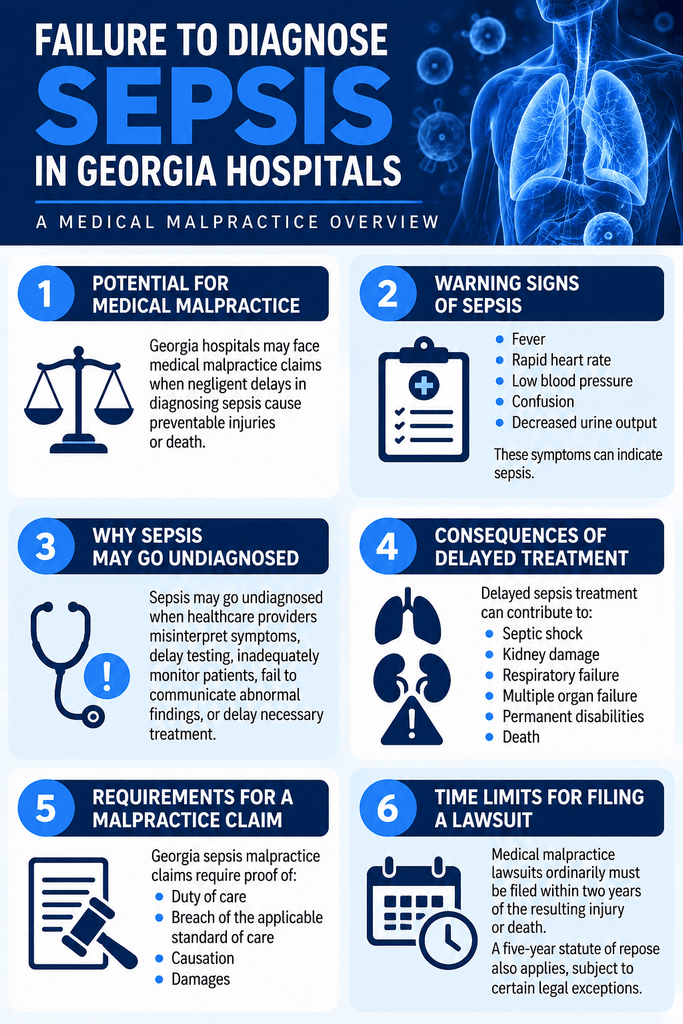
- Georgia hospitals may face medical malpractice claims when negligent delays in diagnosing sepsis cause preventable injuries or death.
- Fever, rapid heart rate, low blood pressure, confusion, and decreased urine output can indicate sepsis.
- Sepsis may go undiagnosed when healthcare providers misinterpret symptoms, delay testing, inadequately monitor patients, fail to communicate abnormal findings, or delay necessary treatment.
- Delayed sepsis treatment can contribute to septic shock, kidney damage, respiratory failure, multiple organ failure, permanent disabilities, and death.
- Georgia sepsis malpractice claims require proof of duty of care, breach of the applicable standard of care, causation, and damages.
- Medical malpractice lawsuits ordinarily must be filed within two years of the resulting injury or death. A five-year statute of repose also applies, subject to certain legal exceptions.
Sepsis is a medical emergency that can develop when the body's response to an infection causes organ dysfunction. Without timely diagnosis and treatment, patients can suffer kidney failure, respiratory distress, septic shock, and death. According to the Centers for Disease Control and Prevention, at least 350,000 adults and more than 1,800 children die from sepsis or are discharged to hospice each year.
When Georgia hospitals fail to recognize warning signs, order appropriate diagnostic tests, or respond to a patient's deteriorating condition, the consequences can be devastating. These failures may constitute medical malpractice when negligent care causes preventable illness and death.
At The Champion Firm, Personal Injury Attorneys, P.C., we represent patients and families harmed by medical negligence in Georgia. In this guide, we explain how hospitals fail to diagnose sepsis, when these failures amount to medical malpractice, and the evidence needed to establish negligence.
What Is Sepsis, and Why Is Early Diagnosis Important?
Sepsis is a life-threatening condition that develops when the body's response to an infection causes organ dysfunction. It can develop from bacterial, viral, fungal, or parasitic infections, although bacterial infections cause most cases. Sepsis can progress to septic shock, a severe complication involving circulatory failure that increases the risk of death.
Common Infections That Can Lead to Sepsis
Sepsis can develop from infections affecting different parts of the body. Common sources include:
- Pneumonia: Lung infections can lead to sepsis, particularly in older adults and patients with weakened immune systems.
- Urinary Tract Infections: Infections affecting the bladder or kidneys can spread and trigger sepsis, especially among hospitalized patients.
- Abdominal Infections: Appendicitis, bowel perforations, and abdominal abscesses can cause severe infections that progress to sepsis.
- Skin and Soft Tissue Infections: Infected wounds, cellulitis, and other serious tissue infections can lead to systemic complications.
- Postoperative Infections: Infections developing after surgery can progress to sepsis when healthcare providers fail to identify and treat them.
Early diagnosis allows healthcare providers to begin appropriate antimicrobial treatment, provide supportive care, and address the source of infection. When hospital staff overlook warning signs or delay necessary interventions, patients may suffer injuries that earlier treatment could have prevented.
Warning Signs of Sepsis That Georgia Hospitals May Overlook
Sepsis symptoms can resemble those of other medical conditions, making it difficult to identify during the early stages. However, hospital staff must evaluate concerning symptoms, review a patient's medical history, and investigate signs of a worsening infection. Failure to recognize these warning signs can delay treatment and increase the risk of serious complications.
Common Symptoms and Clinical Warning Signs
Patients with sepsis may experience several symptoms that indicate their bodies are struggling to respond to an infection. Warning signs include:
- Fever or Low Body Temperature: An unusually high or low temperature can indicate a serious infection, although some patients with sepsis don't develop a fever.
- Rapid Heart Rate: An elevated pulse may indicate that the body is responding to infection or circulatory problems.
- Rapid Breathing: Increased respiratory rates or shortness of breath can indicate worsening illness or impaired organ function.
- Low Blood Pressure: Falling blood pressure can indicate circulatory dysfunction and may precede septic shock.
- Confusion or Disorientation: Sudden changes in mental status can indicate sepsis-related organ dysfunction, particularly in older adults.
- Decreased Urine Output: Reduced urination may indicate impaired kidney function or inadequate blood circulation.
- Severe Pain or Extreme Weakness: Unusual discomfort, profound fatigue, and clammy skin can accompany serious infections.
Patients at Greater Risk of Developing Sepsis
Certain patients face a higher risk of developing sepsis, including older adults, infants, people with weakened immune systems, and patients with chronic conditions such as diabetes or kidney disease. Those recovering from surgery, receiving treatment in intensive care units, or using invasive medical devices may also be vulnerable.
Hospitals must account for these risk factors when evaluating suspected infections. A patient doesn't need to display every recognized symptom before further medical investigation becomes appropriate. When healthcare providers disregard concerning changes in a high-risk patient's condition, they may miss an opportunity to diagnose sepsis before organ damage develops.
How Do Georgia Hospitals Fail to Diagnose Sepsis?
Georgia hospitals may fail to diagnose sepsis when healthcare providers overlook warning signs, misinterpret test results, or fail to investigate a patient's deteriorating condition. These errors can happen in emergency departments, intensive care units, surgical recovery areas, and general hospital wards.
- Misinterpreting Sepsis Symptoms: Sepsis can cause symptoms that resemble less serious conditions, including influenza, dehydration, and gastrointestinal illnesses. Physicians may attribute fever, confusion, rapid breathing, or elevated heart rates to another diagnosis without adequately investigating a possible infection. Failure to reconsider an initial diagnosis when new symptoms develop can allow sepsis to progress without treatment.
- Delaying or Failing to Order Diagnostic Tests: Healthcare providers may fail to order blood cultures, lactate measurements, or other laboratory tests when a patient's symptoms indicate possible sepsis. Delays in reviewing abnormal results or ordering imaging studies can also prevent physicians from identifying an infection and assessing organ dysfunction.
- Inadequate Patient Monitoring: Hospital staff must monitor patients according to their medical condition and the risks associated with their illness. Failing to reassess vital signs, investigate falling blood pressure, or respond to reduced urine output can delay recognition of sepsis. Patients whose conditions deteriorate without appropriate monitoring may develop severe complications before healthcare providers intervene.
- Communication Failures Between Healthcare Professionals: Nurses, physicians, laboratory personnel, and other hospital employees must communicate important changes in a patient's condition. Diagnostic delays can occur when abnormal test results aren't reported, concerns raised by nursing staff go unanswered, or important information is omitted during shift changes. Poor communication can prevent timely medical evaluation and treatment.
- Failure to Escalate Medical Care: Patients showing signs of worsening infection or organ dysfunction may need urgent physician assessment, rapid-response intervention, or transfer to an intensive care unit. Delays in requesting additional medical assistance can allow sepsis to progress to septic shock or multiple organ failure. When hospital staff fail to escalate treatment despite indications of a medical emergency, their actions may constitute negligence if the delay causes further injury.
What Should Hospitals Do When Sepsis Is Suspected?
When a patient shows signs of sepsis, healthcare providers must assess their condition and determine the appropriate diagnostic tests and treatment. The appropriate response depends on the patient's symptoms, the likelihood of infection, and the severity of organ dysfunction.
Prompt Clinical Evaluation and Testing
Physicians should evaluate the patient's vital signs, medical history, symptoms, and possible sources of infection. Depending on the findings, diagnostic testing may include:
- Blood Cultures: Blood cultures help identify bacteria or fungi in the bloodstream and guide antimicrobial treatment.
- Lactate Measurements: Lactate measurements help assess the severity of illness and identify possible problems with tissue perfusion.
- Blood Tests: Blood tests help evaluate kidney function, liver function, blood cell counts, and other indicators of organ dysfunction.
- Diagnostic Imaging: X-rays, CT scans, and ultrasounds can help identify pneumonia, abdominal infections, and other sources of infection.
Healthcare providers must also reassess patients as symptoms change or more test results become available. Failure to investigate abnormal findings or recognize worsening organ function can delay a sepsis diagnosis and necessary medical treatment.
Antibiotics and Supportive Treatment
Patients with septic shock or a high likelihood of sepsis need immediate antimicrobial treatment. In patients with possible sepsis but no shock, physicians may conduct a rapid investigation to determine the likelihood of infection before starting antibiotics.
Treatment may also include intravenous fluids, medications to support blood pressure, supplemental oxygen, or mechanical ventilation. Some patients need surgery or drainage procedures to control the infection source. Delays in medically indicated treatment can allow organ dysfunction to worsen, increasing the risk of permanent injury or death.
What Injuries Can Result From a Delayed Sepsis Diagnosis?
A delayed sepsis diagnosis can contribute to several life-threatening conditions, including:
- Septic Shock: Septic shock causes severe circulatory problems that can prevent vital organs from receiving adequate blood flow and oxygen.
- Acute Kidney Injury: Reduced blood flow and inflammation can damage the kidneys, sometimes requiring dialysis or causing permanent kidney impairment.
- Respiratory Failure: Sepsis can cause severe lung inflammation and breathing difficulties that require mechanical ventilation.
- Multiple Organ Failure: Sepsis can impair the function of several organs, including the heart, lungs, kidneys, and liver.
- Tissue Damage and Amputation: Poor circulation and severe infection can damage tissues, sometimes making surgical amputation necessary.
- Long-Term Physical and Cognitive Impairment: Sepsis survivors may experience chronic weakness, memory difficulties, reduced mobility, and other disabilities requiring ongoing treatment.
- Wrongful Death: Sepsis can become fatal when infection-related organ dysfunction progresses despite treatment or when negligent delays prevent timely intervention.
These complications can result in high medical expenses, lost income, and continuing care needs. When a hospital's negligent failure to diagnose sepsis causes additional injuries, you may be entitled to compensation for the resulting losses.
When Does Failure to Diagnose Sepsis Constitute Medical Malpractice in Georgia?
Under O.C.G.A. § 51-1-27, Georgia healthcare professionals must exercise a reasonable degree of care and skill when treating patients. You must demonstrate that the provider's actions fell below the accepted standard of care and caused injuries that appropriate treatment could have prevented. A stricter standard applies to emergency care, as explained below.
Four Elements of a Sepsis Medical Malpractice Claim
To establish medical malpractice in Georgia, you must prove four elements:
- Duty of Care: The healthcare provider owed you a professional duty of care, typically established through a patient-provider relationship.
- Breach of the Standard of Care: The provider failed to exercise the care and skill expected of a reasonably competent healthcare professional under similar conditions. Examples include ignoring sepsis symptoms, failing to order indicated tests, or delaying necessary treatment.
- Causation: The provider's negligence caused or worsened your injuries. You must establish a connection between the diagnostic delay and the harm you suffered, rather than attributing every complication of the underlying infection to medical negligence.
- Damages: You suffered losses resulting from the negligent treatment, such as additional medical expenses, lost income, permanent disabilities, or pain and suffering.
Under O.C.G.A. § 9-11-9.1, a sepsis malpractice complaint ordinarily must include an affidavit from a qualified medical professional who can evaluate the treatment provided. These experts review medical records, identify departures from the accepted standard of care, and explain how an earlier diagnosis could have changed the patient's outcome.
Who May Be Responsible for a Missed Sepsis Diagnosis?
- Emergency Department Physicians: Emergency physicians may be liable when they overlook signs of sepsis, fail to order indicated diagnostic tests, or discharge patients who need further medical evaluation. These claims face a higher bar. Under O.C.G.A. § 51-1-29.5, a claim arising from emergency medical care in a hospital emergency department requires clear and convincing evidence of gross negligence. Not all care delivered in an emergency room qualifies, so the facts of the visit matter.
- Hospitalists and Attending Physicians: These physicians may be responsible for failing to investigate worsening symptoms, recognize abnormal laboratory results, or initiate appropriate treatment.
- Nurses: Nursing staff may be negligent when they fail to monitor vital signs, document concerning symptoms, notify physicians of a patient's deterioration, or follow appropriate escalation procedures.
- Surgeons and Medical Specialists: Surgeons and other specialists may face liability when they fail to recognize postoperative infections or investigate symptoms indicating sepsis.
- Hospitals and Healthcare Systems: Hospitals may be liable for their own negligent staffing, training, or patient safety practices. They may also be responsible for negligence committed by employees or other healthcare professionals under applicable agency principles.
Hospital liability depends on the relationship between the facility and the healthcare professionals involved. At The Champion Firm, we investigate the actions of individual providers and hospital personnel to identify parties whose negligence contributed to a patient's injuries.
FAQs About Failure to Diagnose Sepsis
How Long Do You Have to File a Sepsis Malpractice Lawsuit in Georgia?
Under O.C.G.A. § 9-3-71, Georgia medical malpractice claims are subject to two main deadlines:
- Two-Year Statute of Limitations: You ordinarily have two years from the date an injury or death resulting from medical negligence occurred to file a lawsuit.
- Five-Year Statute of Repose: Georgia also imposes a five-year deadline measured from the date of the negligent act or omission, subject to certain exceptions.
Certain exceptions, including provisions affecting minors and tolling circumstances, may change the filing period. A Marietta medical malpractice lawyer can explain which one applies to your claim.
Is a Delayed Sepsis Diagnosis Always Medical Malpractice?
No. A delayed sepsis diagnosis doesn't always constitute medical malpractice. Sepsis can be difficult to identify because its symptoms resemble those of other conditions, including dehydration, influenza, and other infections. A healthcare provider may follow accepted medical practices and still be unable to diagnose sepsis immediately, particularly when the patient hasn't developed recognizable warning signs.
Questions? Get a Free Consultation From a Medical Malpractice Lawyer
If you or a loved one suffered serious injuries because a Georgia hospital failed to diagnose sepsis, you may have grounds for a medical malpractice claim. At The Champion Firm, Personal Injury Attorneys, P.C., we can investigate your medical treatment, review hospital records, and consult medical professionals to determine how diagnostic delays contributed to your condition. For more information or to schedule a free consultation, call 404-637-1709. Hablamos Español.