The police report blamed our clients. We settled the case for $6 million.
A husband and wife were visiting family from China. As they attempted to cross the road during a morning walk, the wife was struck by a car and killed.
When we got the case, we had very little to work with. The police report concluded that they crossed outside the crosswalk and failed to yield to a vehicle turning right.
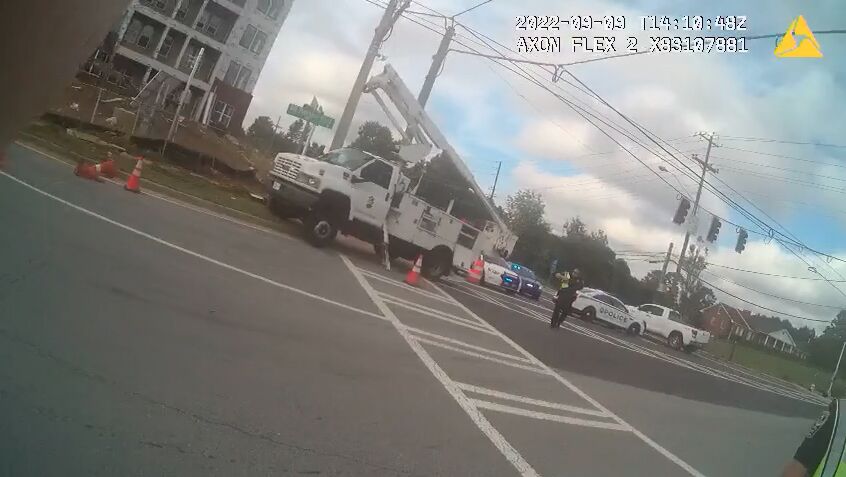
We knew there was a construction vehicle near the crosswalk, but we didn't know what role it may have played in the collision, or even who owned it.
I wanted to learn more about that truck. We obtained body camera footage from the responding officers. That footage showed the work truck parked in a manner that blocked the crosswalk, and we were able to determine who owned it.
We quickly filed suit against the construction company, as well as the driver who hit our client. We started digging into the work zone and the lack of proper traffic control.
The MUTCD contains very specific rules governing how work is supposed to be performed on or near a roadway. What we found as we went through discovery were violations of basic traffic control and pedestrian safety requirements, and numerous violations of the MUTCD.
We then took those rules and converted them into a series of simple questions for the witnesses we put on individual sheets of paper, starting with the designated traffic control supervisor. One by one, the traffic control supervisor's own testimony established violation after violation.
And before someone says, "A better prepared witness would have just disagreed," that's often not how it works. Sometimes the rule is so clear, and the violation so obvious, that it has to be admitted. And if a witness denies the obvious, the explanation is often so strained that the witness loses credibility altogether because their answer is absurd.
The case became a powerful reminder of something we see over and over again. What happened at the moment of impact was not the beginning of this story. It was the end of it.
Long before the collision, decisions had already been made. Decisions about where to park a truck, whether to block a crosswalk, about pedestrian access, about traffic control, about whether to follow established safety rules.
By the time the driver and pedestrian encountered each other, those decisions had already shaped the environment around them. Too often, investigations focus only on the final few seconds before a tragedy.
But the most important question is often not what happened. It's why it happened. This requires looking beyond the initial police report and digging deep into the facts and the events leading up to the incident.
Would you agree? Join the conversation with me on LinkedIn.