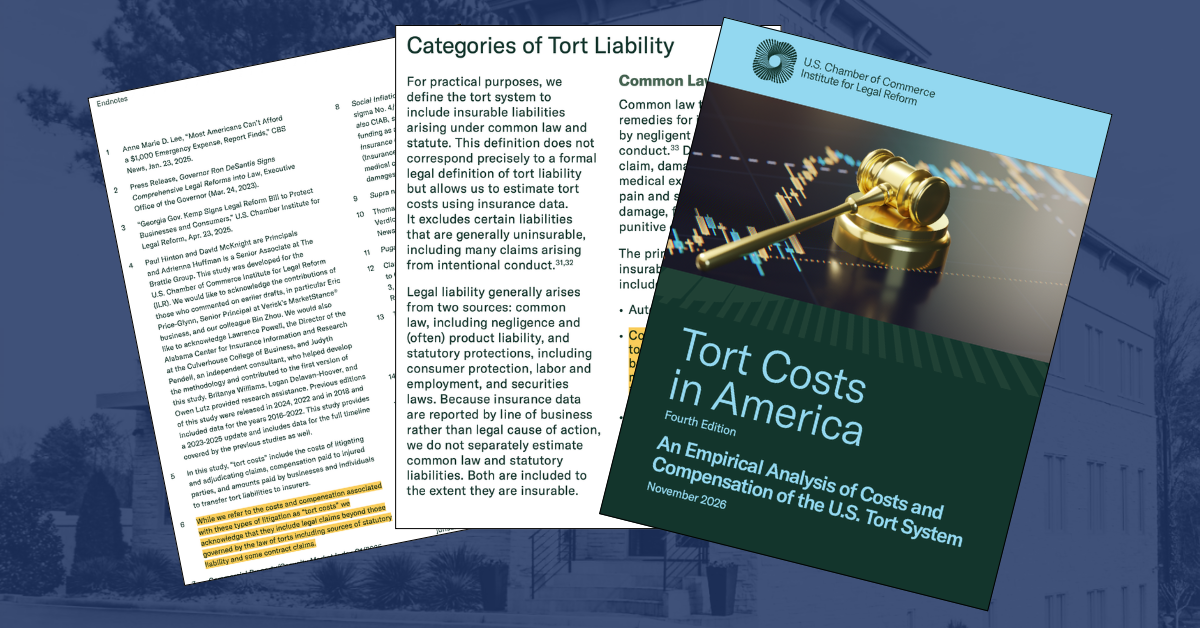
The U.S. Chamber of Commerce recently released its latest misleading "tort costs" report, claiming the legal system costs every household more than $4,900 a year.
This time it's framed as concern for family budgets.
What Actually Counts as a 'Tort Cost'?
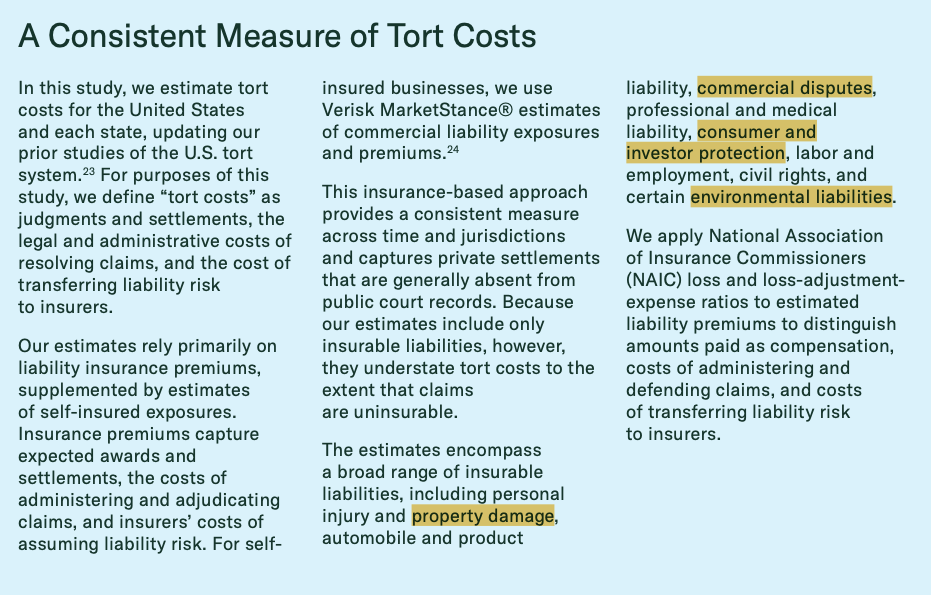
Look at how the number is built. It isn't a count of lawsuits or verdicts. It's built from liability insurance premiums. It includes property damage claims and business-versus-business disputes. And it counts every dollar paid to an injured person as a "cost," as if compensating someone for a harm were waste.
When Did the Chamber Start Worrying About Family Budgets?
Look who is suddenly worried about affordability.
This is the same Chamber that sued to block a cap on credit card late fees.
The same Chamber that sued to stop Medicare from negotiating lower drug prices.
The same Chamber that fights minimum wage increases.
When a rule would save consumers money or allow them to earn more at a company's expense, the Chamber opposes it. When a rule would limit what a company owes the people it injures, the Chamber discovers the working family.
These reports aren't about affordability. They're about corporations keeping more of the money, and injured people getting less of it.
As for what the Chamber's report actually counts as “tort costs”?
- Business disputes: “Commercial disputes involving tort claims, such as negligence, bad faith, misrepresentation, misappropriation, or tortious interference”
- Investor and consumer protection lawsuits
- Environmental liabilities
- Property damage
- Antitrust and securities claims
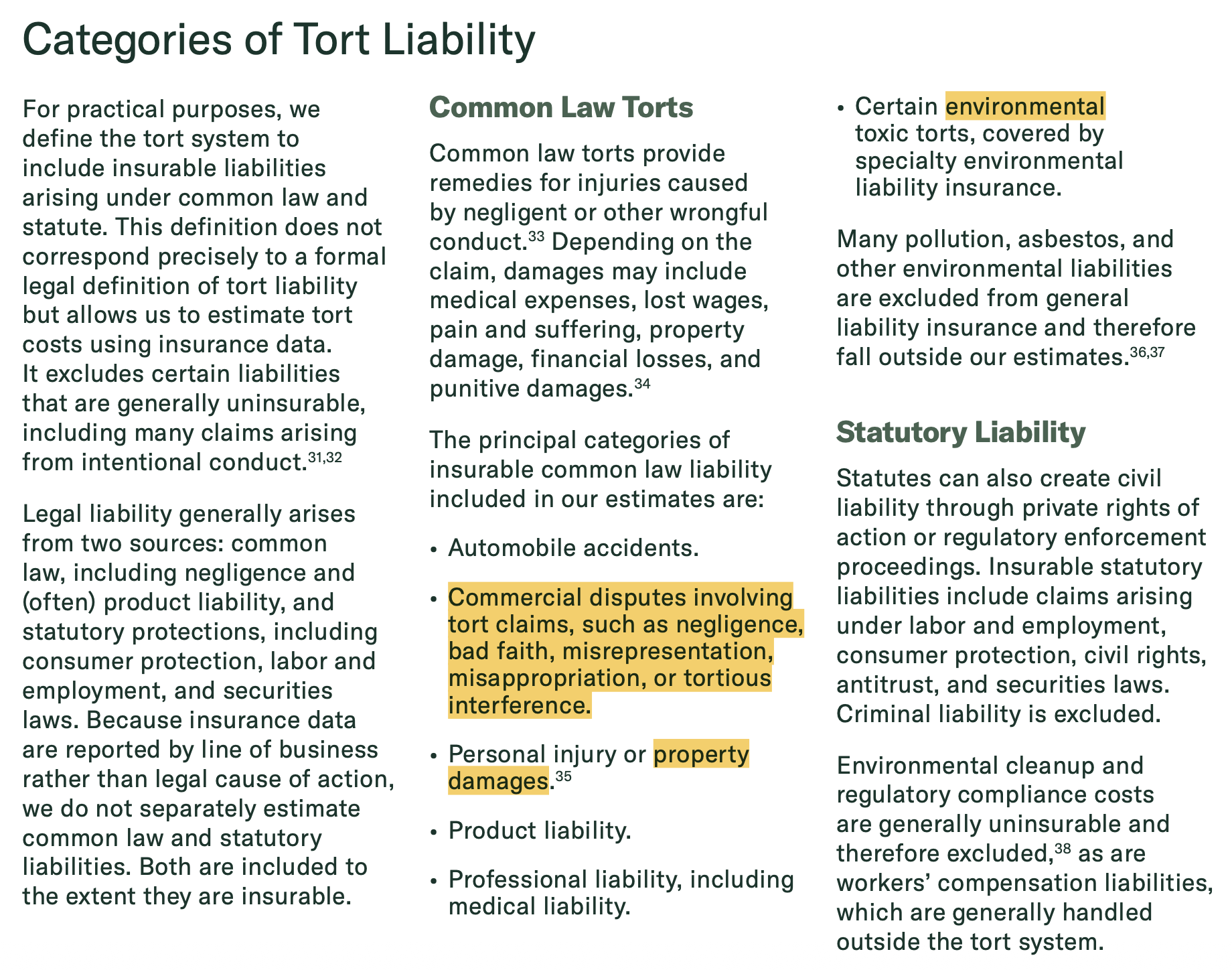
The report admits this in an endnote: “While we refer to the costs and compensation associated with these types of litigation as 'tort costs' we acknowledge that they include legal claims beyond those governed by the law of torts including sources of statutory liability and some contract claims.”
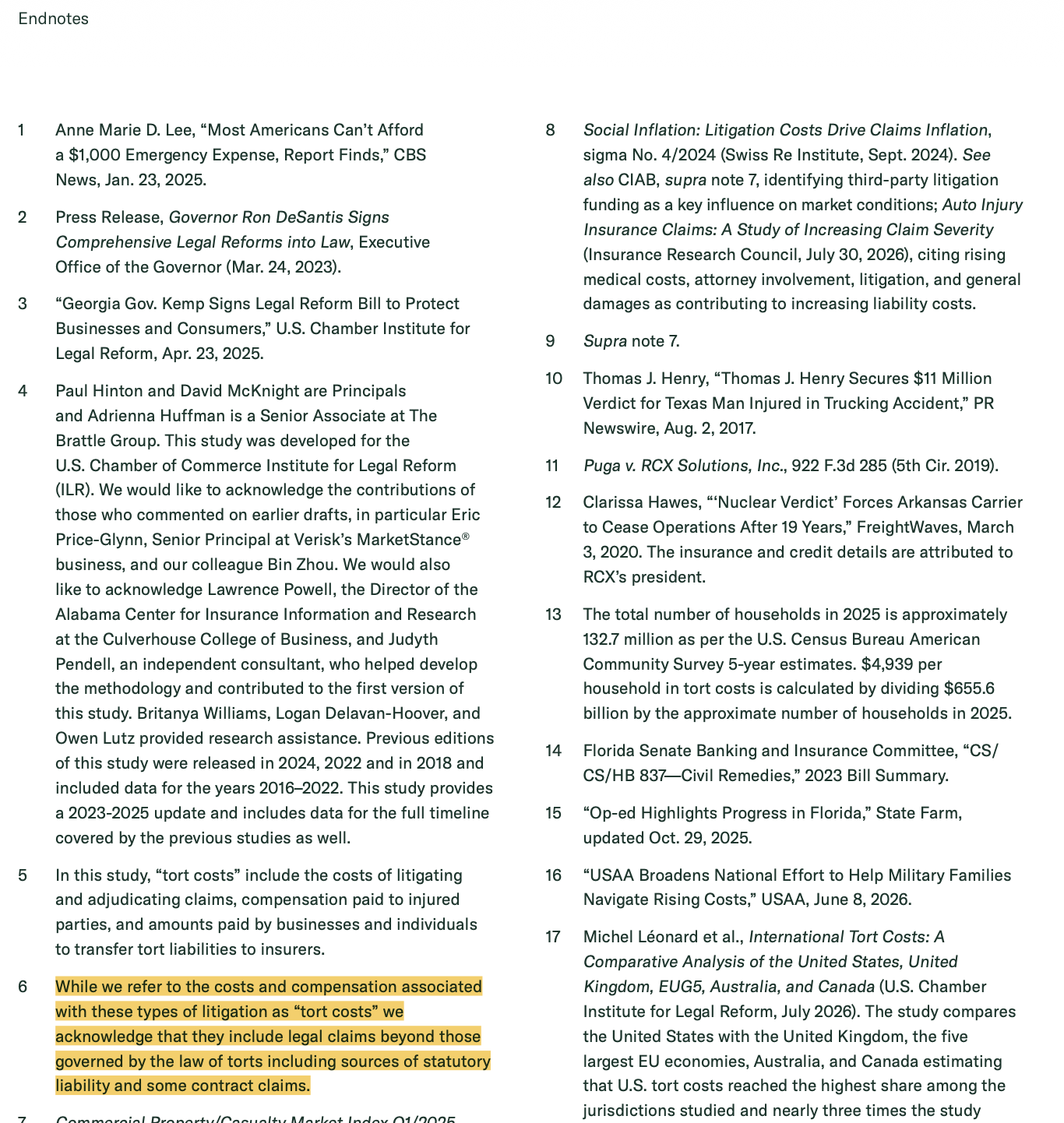
So the “tort costs” number both includes factors that aren’t really torts, as well as commercial business disputes as if they are torts?
The Problem With Counting Insurance Premiums as Tort Costs
It’s also built on insurance premiums, which means it counts insurers’ own administrative costs and the cost of “transferring liability risk to insurers.”
Then there’s this line: “[T]he tort system is not particularly efficient: a significant portion of tort expenditures do not go toward compensating injured parties.”

I wonder why that might be?
How Insurers Contribute to Unnecessary Litigation Costs
I wish the system were more efficient, but the sad reality is that far too often insurers sit on their money and delay, deny, defend. We consistently see lowball offers pre-suit. We see cases forced into litigation. We then see that litigation drag out unnecessarily, sometimes for years, because of absurd defenses and more lowball offers.
I have dozens of cases in my firm that defendants should have settled months or years ago. Every one of them is adding to the “tort costs” the Chamber is complaining about.
Next time someone cites this report to argue that injured people are the problem, ask them what’s in the number.
What do you think? Join the conversation with me on LinkedIn.